Discover the rich history, science, and artistry behind your favorite beverage
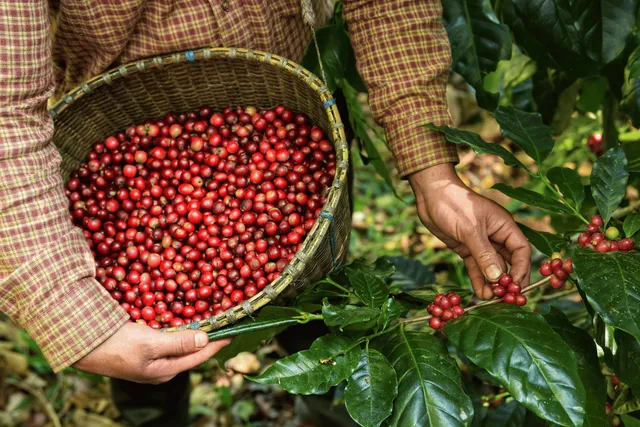
Legend has it that a goat herder named Kaldi discovered coffee when his goats became particularly energetic after eating coffee cherries.
Sufi monks began cultivating coffee and using it to stay awake during long nights of prayer, spreading its use across the Arabian Peninsula.
Coffee reaches Europe through Venetian traders, leading to the establishment of the first coffee houses that became centers of intellectual discussion.
Coffee cultivation spreads to the Americas, with Brazil becoming the world's largest producer, shaping global coffee culture.
Coffee contains over 1,000 chemical compounds, including caffeine, chlorogenic acids, and various antioxidants that contribute to its complex flavor profile.
Two main species: Arabica (70% of world production) offers smoother, sweeter flavors; Robusta provides stronger, more bitter taste with higher caffeine content.
Temperature and time control the roast level - light, medium, or dark - each affecting flavor, acidity, and body through complex chemical reactions like the Maillard reaction.
Extraction chemistry determines flavor balance. Optimal extraction (18-22%) yields balanced acidity, sweetness, and bitterness through proper temperature and time control.
High-pressure extraction (9 bars) through finely ground coffee produces concentrated shot with rich crema in 25-30 seconds.
Full immersion brewing with coarse grind and metal filter allows natural oils to remain, creating full-bodied cup.
Manual control of water flow through medium grind allows precise extraction, highlighting coffee's natural flavors.
Slow extraction over 12-24 hours in cold water reduces acidity and bitterness, creating smooth, concentrated coffee.
We partner directly with coffee farmers in Cambodia and neighboring regions, ensuring fair wages and sustainable farming practices that preserve the land for future generations.
Biodegradable packaging and compostable cups
Energy-efficient roasting equipment
Water conservation in processing
Zero-waste coffee grounds for composting
Supporting local education, women's cooperatives, and environmental conservation projects that benefit the communities where our coffee is grown.